IT
for
businesses
where
the
work
happens
at
the
site.


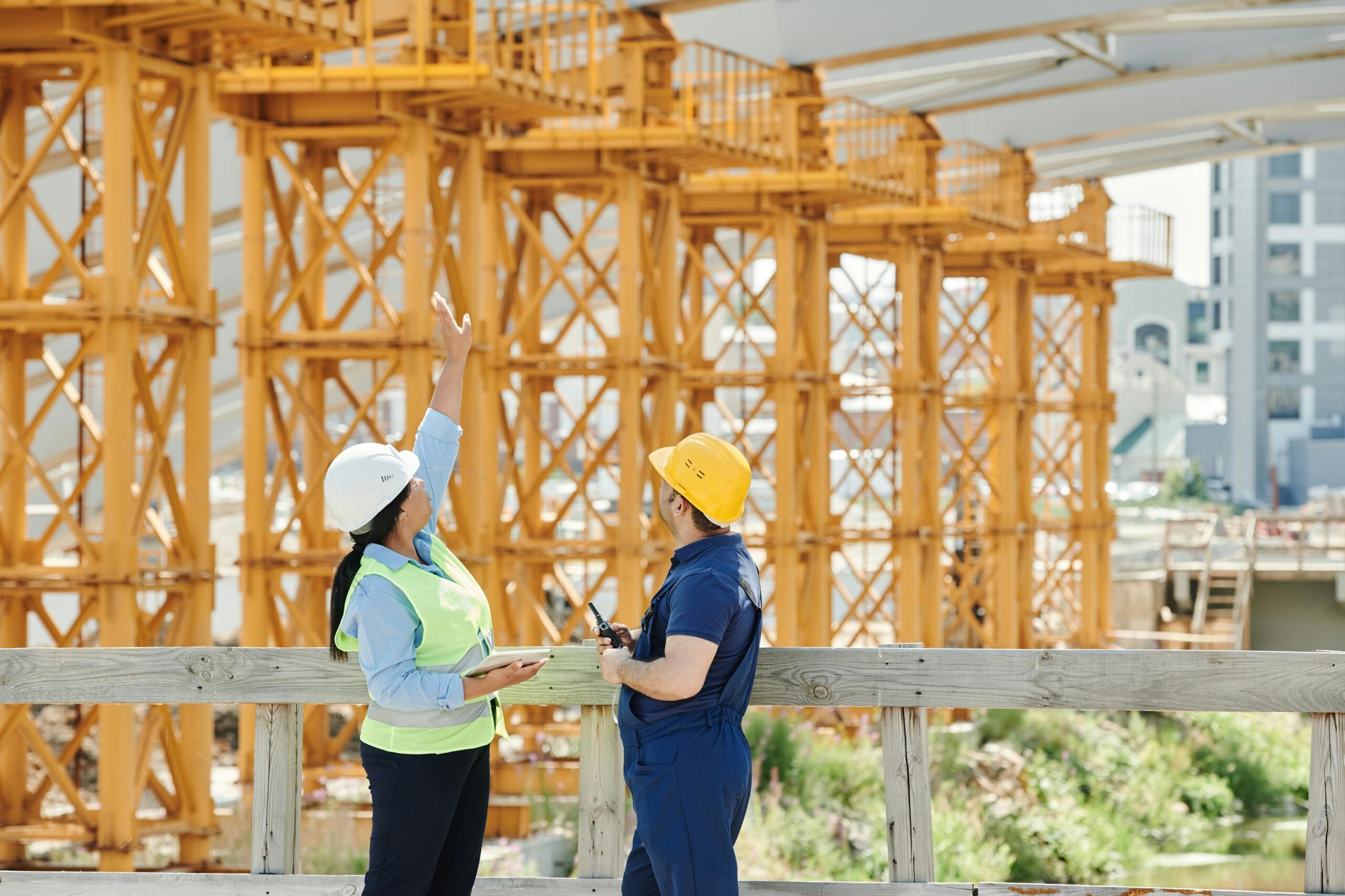
A construction or architecture-engineering-construction firm runs across an office and a rotating set of job sites. The office handles accounting, project management, document control, and design work. The field handles execution, daily reporting, and mobile coordination.
The same environment supports both ends, and the project management software that ties them together has to keep working when a project manager is on a phone in a trailer. Our construction IT engagements are informed by the technology guidance the Associated General Contractors of America publishes for member firms.
The work happens away from the office. Project managers, superintendents, and field staff spend most of their day on a job site, and the technology has to be reliable away from the office network.
Mobile devices are part of the work, not a perk. Tablets running daily reports, phones running project management apps, and field laptops uploading photos and documents all need to be managed devices, not personal hardware.
Project management software ties the office to the field. When the platform is unavailable, work continues but coordination breaks. The platform vendor handles the application; we handle the access path, the integrations, and the network underneath.
Job sites change. The firm sets up technology in trailers, opens connectivity for new sites, and tears it down when the project finishes. The lifecycle is faster than typical office IT, and the security has to keep up.
Field-first design. Most managed services providers do this in reverse. A lost device should not be a data exposure event, project software is treated as critical infrastructure, and the job-site lifecycle is handled as part of the engagement.
Call us at (704) 333-0404 or fill out our contact form. No obligation, no jargon. Real humans answering, not call centers, one team for IT, security and Microsoft 365, and no forced bundles or surprise fees.